
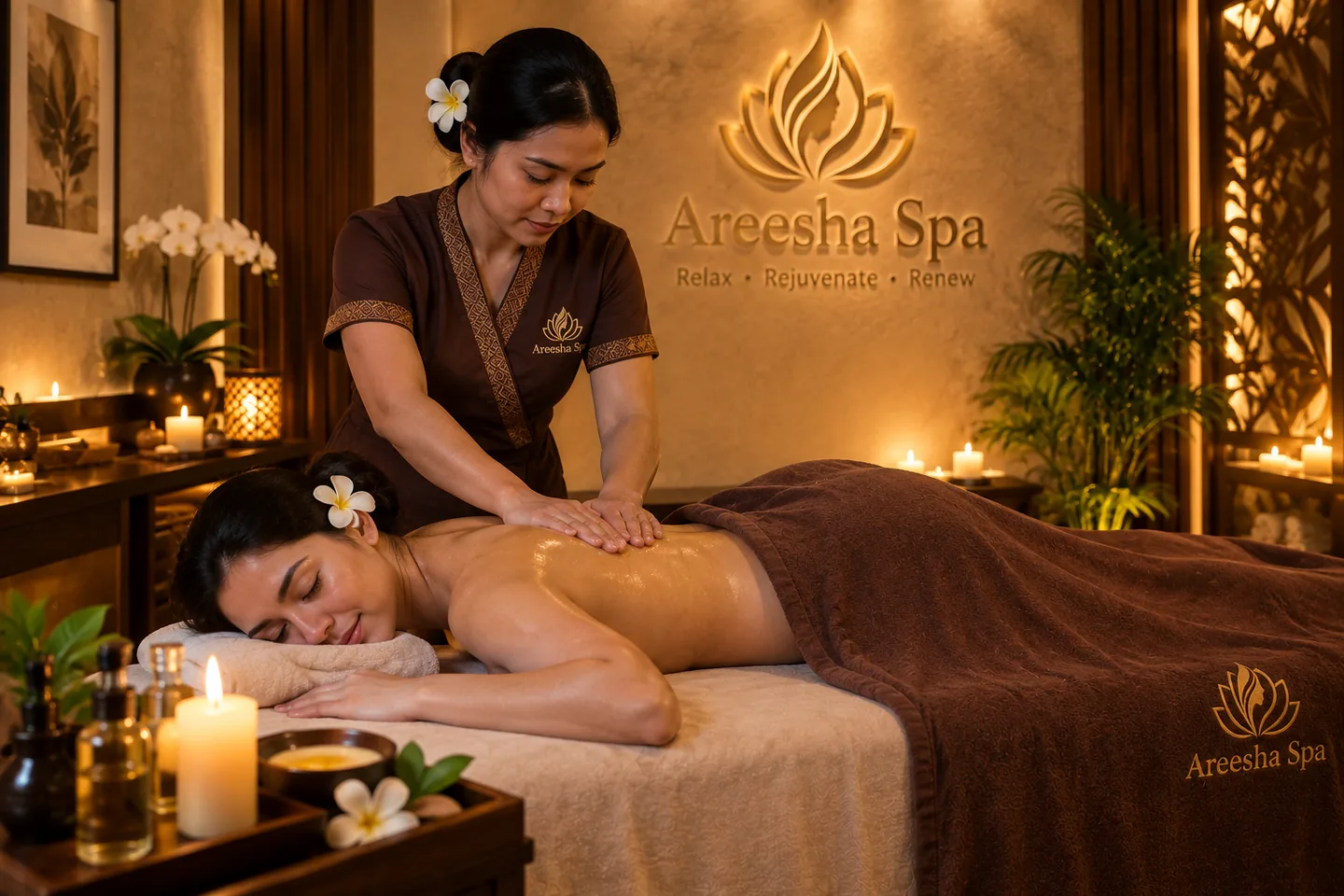
Thai massage is often described as a hands-on bodywork style that combines rhythmic pressure with assisted movement and stretching. That makes it a different experience from a massage where you simply lie still while oil and repeated strokes shape the session. The name covers a tradition with variations, however, and a spa's current format may not include every element found in a textbook description. It is sensible to ask what the actual session involves before you decide. People look into Thai massage for different reasons: curiosity about a movement-led treatment, a preference for steady pressure, or a wish to make time for a restorative break. Research on massage and pain offers some promising but limited findings. It does not establish that every style produces the same result, that a session will fix a health problem, or that one approach suits everyone. This guide explains the experience, evidence, comfort choices and safety questions worth considering, including what to confirm with Areesha Thai Spa before arranging a visit.
What a Thai massage session can involve
Thai massage is commonly described as a combination of pressure applied to the body and assisted stretches or positions. A Cleveland Clinic overview explains that the practitioner may guide the guest through passive movement, using hands or other parts of the body to assist. It also notes that traditional Thai massage is often performed without the oil-based rubbing associated with some other styles. These are general descriptions, not a guarantee of the exact format at every spa. [1]
At Areesha Thai Spa, the listed Thai Massage description focuses on a Thai-inspired experience with rhythmic pressure and guided stretches. It describes an unhurried, mindful approach, but asks guests to share preferences and areas to avoid. Confirm the current session format directly rather than assuming that a particular stretch, technique, garment, floor mat, oil policy or treatment-room arrangement is included. One business's service description cannot stand in for every Thai massage tradition or provider.
The word 'stretching' can mean a small, supported movement rather than an athletic workout. You should not need to force a position, hold your breath or tolerate pain to make a session worthwhile. If a proposed movement feels unfamiliar, ask what it involves and whether it can be skipped or reduced. A useful session is one you understand and can comfortably communicate through, not a test of flexibility.
Why people may be drawn to this style
The appeal may be the combination of stillness and movement. Instead of choosing between a completely passive massage and doing stretches on your own, you can ask whether the session includes gentle guided movement, steady pressure or both. Some people enjoy that change of pace. Others may prefer a quieter, more still treatment. Neither preference is better; the point is to match the style to what feels comfortable and welcome to you.
Some clinical and academic sources discuss possible benefits of massage, including short-term changes in pain for certain groups. A review from the US National Center for Complementary and Integrative Health says the evidence for massage in low-back pain is weak, and that findings for neck and shoulder pain may be short term. Those findings concern massage therapy broadly and do not prove that Thai massage will produce a particular outcome for an individual. [2]
For a guest without a specific health goal, the value may simply be having protected time for a bodywork experience. A session can be chosen because its pace, movement and pressure sound appealing, without making a claim that it treats illness. If your reason for seeking massage is persistent pain, reduced movement or another symptom, consider speaking with a qualified health professional about the cause and suitable care instead of relying on a spa treatment alone.
What the research says about benefits, and its limits
It helps to separate general massage research from evidence on Thai massage specifically. In one randomised study at a hospital in Bangkok, 120 selected patients with intermittent, non-specific low-back pain were assigned to traditional Thai massage or joint mobilisation. The programme involved up to eight sessions over four weeks. The researchers reported improvement in both groups, but the trial compared two active approaches and did not include a no-treatment control group. Its participants were screened for eligibility and the results cannot promise the same experience for every guest or establish a lasting cure. [3]
A systematic review of massage for people with musculoskeletal pain also found that the evidence varied across studies, techniques, populations and outcomes. It called for better research and reporting. A finding about pain intensity in a group study is not proof that massage restores normal function, prevents a future injury or can replace assessment and treatment by a clinician. [4]
When you read benefit claims, check whether they refer to Thai massage or massage in general, how many people were studied, what comparison was used and how long outcomes were observed. Treat claims such as 'detoxes the body', 'corrects alignment' or 'guarantees pain relief' with caution unless reliable evidence clearly supports the exact statement. The most honest expectation is that experiences differ, evidence is limited for some claims, and a spa visit should be selected for personal preference rather than a promised medical result.
How Thai massage differs from other massage choices
A movement-led Thai-inspired session may feel unlike an oil massage that uses flowing strokes, or a focused-pressure massage that centres on firmer work in selected areas. The main distinction is not a fixed ranking of which style is best. It is what you want to experience: more assisted movement, a gentler sensory pace, focused pressure, warmth, or less movement. Ask the provider to explain how its actual service differs before deciding, since names do not guarantee identical techniques across spas.
Aroma Body Massage, for example, is described by Areesha as a gentler, fragrance-led experience. Deep Tissue Massage is described as more focused and firmer. These are different starting points for a conversation, not medical categories or assurances about results. If you are interested in one of those options, read its specific description at Aroma Body Massage or Deep Tissue Massage, then ask the team what is currently included.
A Thai-inspired session may not suit someone who wants to remain entirely still or who feels uneasy about assisted stretching. Conversely, someone who would rather avoid an oil-based format can ask whether the movement-led option fits that preference. Do not assume either point without checking. A short discussion about pace, pressure, movement, clothing and areas to avoid is more useful than choosing only by the treatment name.
Set comfort preferences before and during the session
There is no single correct pressure level. Tell the team whether you prefer light, moderate or firmer contact, and whether the answer changes from one area to another. Mention spots you want avoided, previous discomfort with massage, and any movement that you do not want. If you are not sure what you prefer, say that and ask how the therapist can check in and adjust gradually. A clear conversation is better than trying to endure a style that does not feel right.
Assisted stretching also depends on choice. You can ask what a movement requires, request a smaller range, or ask to leave it out. Speak up if a position feels painful, causes tingling or numbness, makes you dizzy, or simply feels uncomfortable. Ask for less pressure, a pause or an end to that movement. Relaxation should not depend on pushing through warning signs. The provider should be able to explain how you can communicate during the visit.
If modesty, clothing or draping matters to you, ask about it beforehand. General descriptions of Thai massage may mention loose clothing, but the current arrangements at a particular spa should be confirmed directly. You can also ask whether there is any preparation you should know about and what to expect when arriving. No question about personal comfort is too small to raise before choosing a bodywork session.
Health and safety questions deserve a direct answer
Massage is usually associated with a low risk of harm, but serious adverse events have been reported rarely. NCCIH notes reports such as blood clots, nerve injury and bone fracture, with some reports involving vigorous massage or people at greater risk of injury. These rare reports do not mean that a typical session will cause harm, but they are a reason to disclose relevant health concerns and avoid assuming that more force is always better. [2]
Before arranging a session, speak with a qualified healthcare professional if you have a condition, recent injury or operation, unusual or unexplained symptoms, or a concern that pressure or stretching may not be appropriate for you. You can ask the spa what information it needs and whether it can adapt or decline a requested movement. Do not treat a massage provider's answer as a diagnosis or substitute for medical advice. If a health professional has given you restrictions, explain them clearly and follow that advice.
Pregnancy, a bleeding or clotting concern, fragile bones, significant circulation issues, recent surgery, or cancer treatment are examples of situations where it is especially prudent to ask a clinician about massage first. This is not a complete medical screening list, and the right precautions depend on the person and treatment. Tell the provider about relevant medication or sensitivities if you are comfortable doing so. Stop and seek appropriate medical care for a concerning symptom rather than trying to massage it away.
Prepare for a session without overthinking it
You do not need to arrive with a perfect script. Think about what you want from the experience and name one or two clear preferences: for example, a slower pace, less pressure around a particular area, or no assisted movement in a certain direction. If you have no preference yet, ask the team to describe the session in everyday language before making a decision. Confirm the duration, current availability, format and any practical arrangements that matter to you.
If movement is part of the treatment, mention whether you have difficulty getting down to or up from a surface, if that is relevant to you. Ask what the setup is rather than assuming the provider uses a massage table or floor mat. Wear or bring clothing only in line with the provider's instructions; check in advance what is expected. If you have a scent sensitivity, ask whether oils or fragrances are part of the actual session rather than assuming that every Thai-inspired massage is oil-free.
During the session, comfortable breathing and an ability to speak normally are useful signals that you can communicate. Let the therapist know promptly if the pressure or movement should change. Afterward, notice how you feel without treating temporary soreness or a sense of ease as evidence of a medical effect. If you have questions about a new or worsening symptom, contact a healthcare professional.
Questions to ask before you choose
A quick enquiry can make expectations clearer. Ask what the current Thai Massage session includes, how much of it involves guided movement, whether the pace or pressure can be changed, and how to request a pause. Clarify whether the session is performed with clothing on, whether any oil or fragrance is involved and what the room setup requires. These are practical questions, not demands for a particular outcome.
You can also ask how the team handles an area you want avoided, a movement you cannot do, or a preference that changes during the session. If you have a medical concern, ask whether the spa can share its general service information, then consult a qualified healthcare professional about whether massage is appropriate for you. Do not expect a spa to diagnose a condition or recommend treatment for it.
Before setting out, verify the selected service, session length, price and availability with the spa. Current options can change, and this article does not promise a particular rate or appointment. Areesha's prices page lists the supplied menu options, while the contact page provides the available contact details. Checking directly is the clearest way to avoid relying on an assumption or an outdated description.
Choosing Thai Massage at Areesha Thai Spa
Areesha Thai Spa describes its Thai Massage as an unhurried, Thai-inspired experience shaped around mindful movement, rhythmic pressure and guided stretches. The service guide suggests sharing how you prefer the session to feel and identifying areas you want the therapist to avoid. It also recommends asking which elements are part of the current format, including whether you would prefer more stillness or more movement. The description is about the experience style, not a medical recommendation or a promise of a health outcome.
The listed physical address is 78 Gulshan Avenue, Dhaka 1212, Bangladesh. This is the studio address; do not assume there are other branches. To plan a visit, ask directly about current availability and the details that matter to you. Use the Thai Massage service page for the service description, the Dhaka area directory for location-related information, and the contact page to reach the team. The services menu helps compare the listed experiences.
A good choice begins with a realistic expectation and a conversation that feels easy. You can select a session because you are interested in its pace and movement, ask for your comfort preferences to be heard, and change your mind if the details do not suit you. Research can inform your questions, but it cannot predict your individual response. Let the provider explain the service, and seek clinical advice for a health concern.
Questions and answers
What are the benefits of Thai massage?
Thai massage combines pressure and assisted movement in a way many people may find appealing as a bodywork experience. Studies of massage report possible short-term effects for some pain conditions, but the quality and relevance of findings vary, and broad massage evidence is not a guarantee about Thai massage. A Thai massage trial involving selected patients with non-specific low-back pain found improvements in both the Thai massage and joint mobilisation groups, but it does not prove a cure or predict what will happen for an individual. Choose it for the experience you want, not a promised medical result. [2] [3]
Is Thai massage the same as a regular oil massage?
Not necessarily. General clinical descriptions of traditional Thai massage commonly focus on pressure and assisted stretching, while an oil massage may emphasise strokes using oil. However, providers use different formats, and a treatment name alone does not confirm the details. Ask the spa whether its current session uses oil, what movement is included and how it compares with the oil-based options on its menu.
Does Thai massage hurt or need to be intense to work?
It should not require you to tolerate pain or force your body into a stretch. Pressure is personal, and you can ask for a lighter touch, a smaller movement, a pause or a skipped area. Tell the practitioner if something feels sharp, painful, numb or otherwise wrong. Stronger pressure is not evidence of a better result, and a massage should not be used to diagnose or treat an unexplained symptom.
What should I wear or expect during a Thai massage?
General Thai massage descriptions may mention loose clothing and assisted movement, but providers can differ. Ask Areesha Thai Spa what to wear, whether the session uses oil, how movement is included and what the setup requires. It is fine to ask about modesty, areas to avoid and whether movements can be adapted before you arrange a session.
Who should ask a clinician before booking?
If you have a medical condition, recent injury or surgery, unusual symptoms, or a concern about pressure or stretching, ask a qualified healthcare professional whether massage is suitable before booking. Some conditions and treatments may call for adjustments or a different approach. Share relevant restrictions with the spa, but do not rely on a massage provider for diagnosis or medical advice. If you develop a concerning symptom, seek appropriate medical care. [2]
How do I confirm the current Thai Massage details at Areesha?
Use Areesha Thai Spa's contact page or published contact options to ask what the current format includes, what session lengths and prices are available, and whether a preferred time can be accommodated. Mention your preferred pressure, movement level and areas to avoid. The spa lists its physical address as 78 Gulshan Avenue, Dhaka 1212, Bangladesh. Confirm practical details directly before travelling.
Sources and further reading
- Thai Massage: What It Is and 5 Benefits, Cleveland Clinic
- Massage Therapy: What You Need To Know, National Center for Complementary and Integrative Health
- The Effectiveness of Thai Massage and Joint Mobilization for Chronic Low Back Pain: A Randomized Controlled Trial, PMC
- The Impact of Massage Therapy on Function in Pain Populations: A Systematic Review and Meta-Analysis, PMC